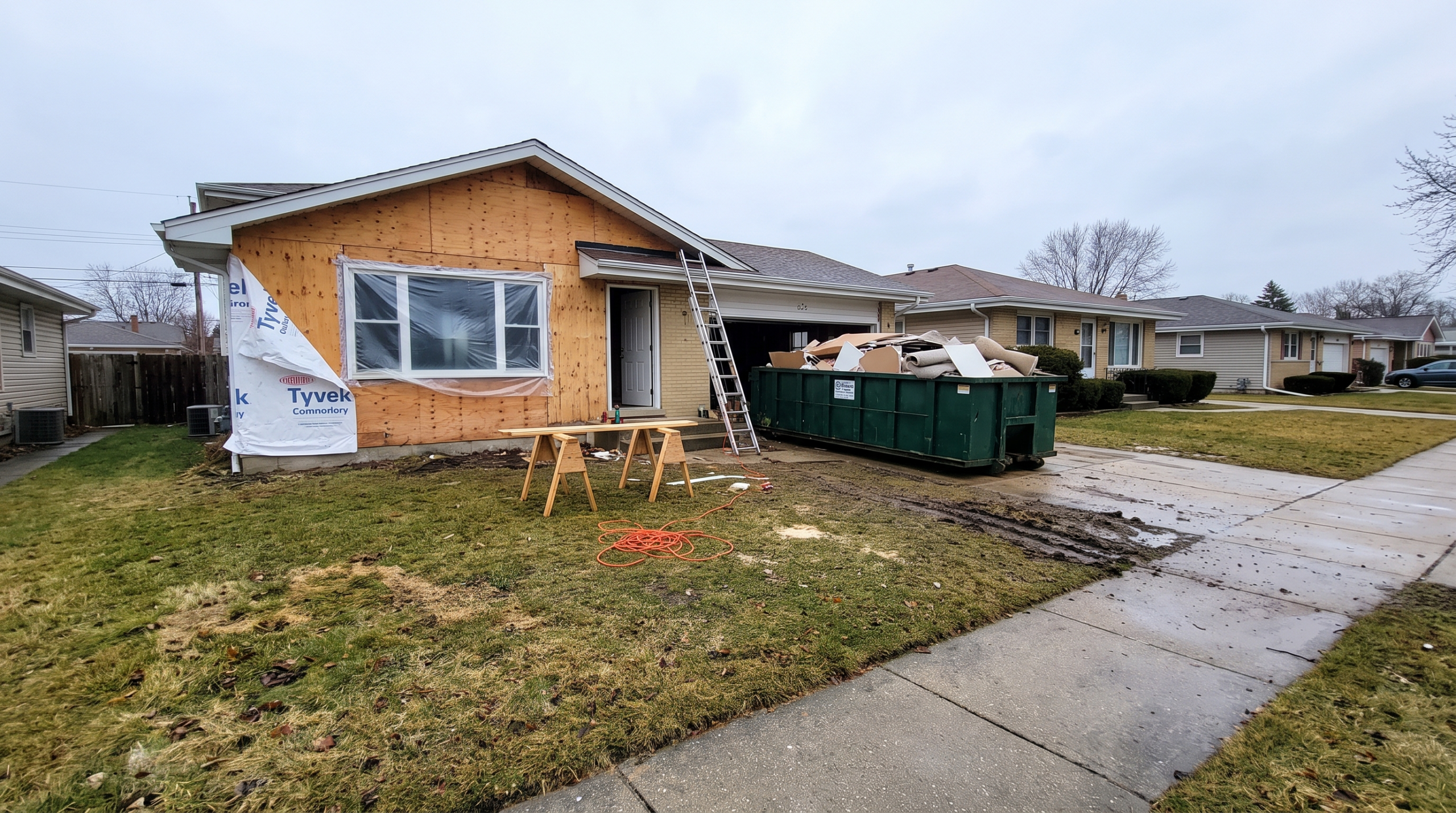
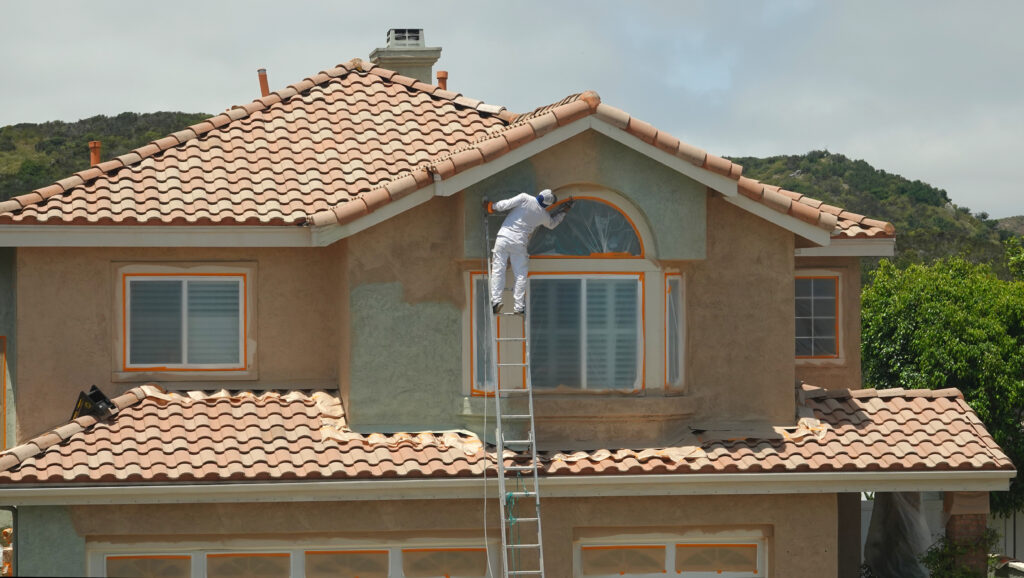
BRRRR succeeds or fails on two financing decisions, not five steps. Buy well and rehab it right, and none of that matters if the refinance won’t appraise where you need it to, or if the rehab money didn’t show up on the schedule the work actually ran on. The strategy itself is simple enough to scale a portfolio with. What decides whether it works is the financing underneath it, at exactly two points: the rehab loan, and the refinance that follows it.
The Rehab Loan Is Doing More Than Funding Repairs
A rehab loan built for BRRRR has to do two things a generic construction product often doesn’t. First, it funds the purchase and the renovation together. When that money comes from two different places, you get a gap between closing and your first draw, and that gap is where deals stall, permits pulled, contractor waiting, carrying costs running with no work happening. Second, it has to be underwritten against what the property will be worth finished, not what it’s worth today. That’s the whole premise of a rehab loan: the lender is pricing the after-repair value up front, then releasing money in draws as the work actually gets done, an inspection confirms the stage is complete, then the next draw funds. A draw that drags three weeks doesn’t just cost you interest. On a tight BRRRR timeline it can cost you the refinance window entirely.What the Refinance Actually Has to Clear
The refinance is where a BRRRR deal actually gets tested, and it has to clear three things, not just “the property is rented.”- The appraisal has to support the after-repair value the rehab was underwritten to. If it comes in short, the cash-out you were counting on to fund the next deal shrinks with it.
- The property has to support a DSCR loan on its own rent. A signed lease or a market rent analysis establishes the number, and that number, divided by the new payment, has to clear the lender’s minimum, the same math as any DSCR refinance, just running on a property you finished six months ago instead of one you’ve owned for years.
- Title has to be clean. No open permits from the rehab, no mechanic’s liens from a subcontractor who didn’t get paid on schedule. Either one can hold up a refinance that’s otherwise ready to close.