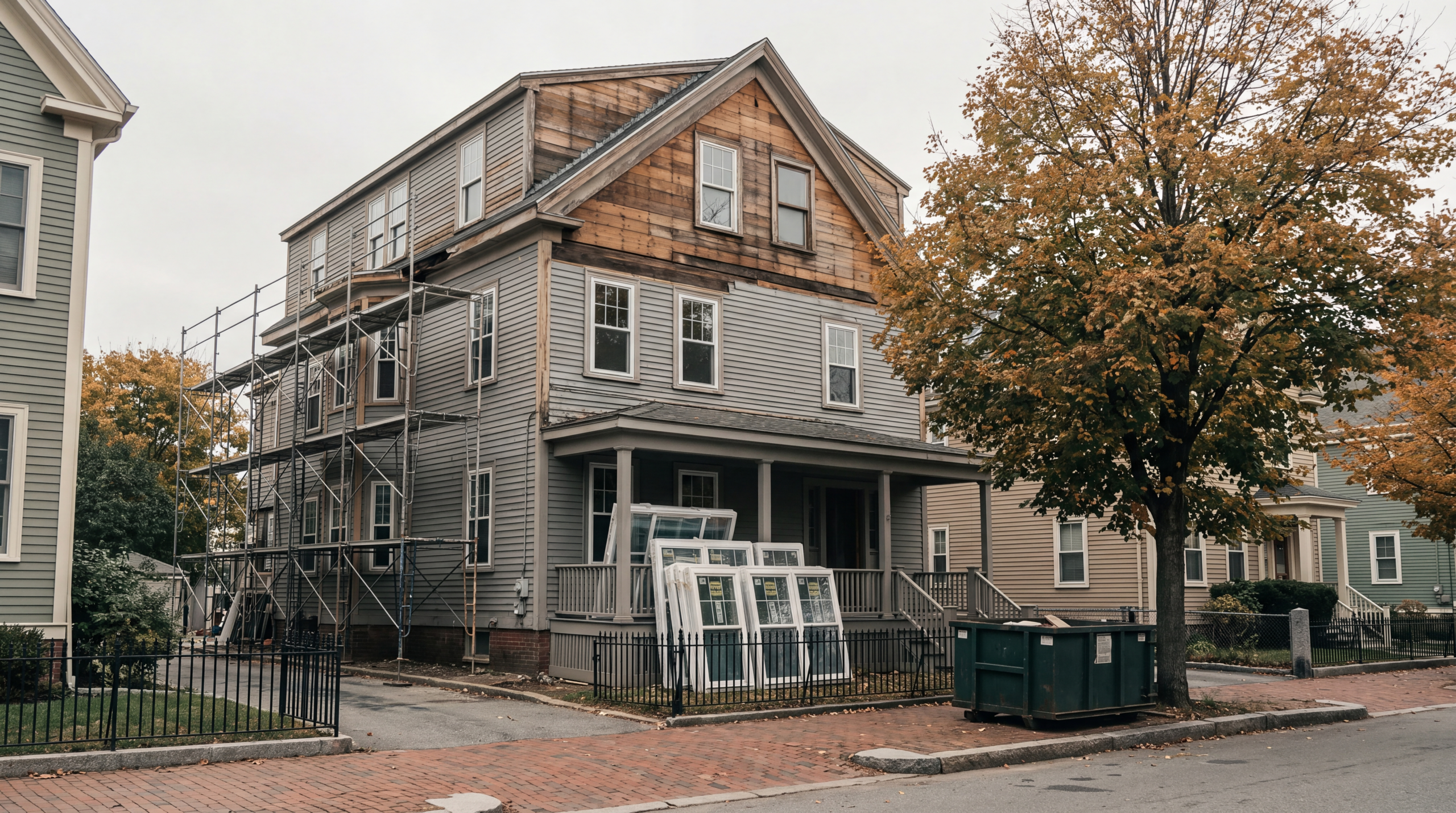
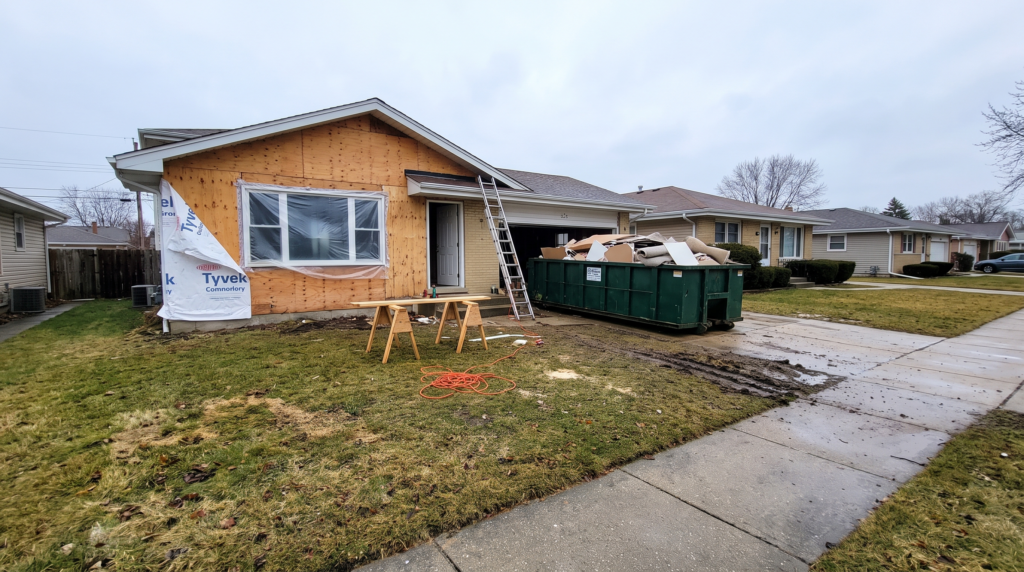
Most investors walk into a conversation with hard money lenders asking whether they will qualify. It is the wrong frame, and it sends people to the wrong preparation. A lender funding against real estate is not grading you. It is grading a deal, and you are one input to it.
The file gets decided on four things, and the order matters: the property, the rehab plan, the cash you can reach, and your track record. Credit sits underneath all four as a check. It rarely decides anything on its own.
What Hard Money Lenders Underwrite First: The Property
Everything starts with two values. What the property is worth today, and what it will be worth when the work is done. The second number carries more weight, because the loan gets repaid out of it, at sale or at refinance.
The lender does not take your finished value at face value. An appraiser builds their own from their own comparable sales, and the loan is sized against that figure rather than yours. On a deal with a wide margin, the gap between the two barely matters. On a thin one, it shrinks the loan and raises your cash to close. How that plays out in dollars is its own subject. [INTERNAL LINK: fix and flip loans sizing post]
What helps is showing your work. Send the sales you used and why you chose them, and the file starts from your number instead of meeting the appraiser’s cold.
The Rehab Budget Is a Credibility Test
A line-item budget tells a lender more about you than a résumé does. It shows whether the scope matches the value you are claiming, whether the costs look like someone who has priced this work before, and whether there is room for the things that go wrong on every job.
Two budgets get a closer look. One is too lean for the finished value it promises: a kitchen priced like a paint job, on a house you expect to appraise as fully renovated. The other has no contingency line at all. Neither one kills a file. Both tell the underwriter the plan has not met reality yet.
The budget also sets how money moves once the project starts. Conventus covers up to 100% of the rehab budget, released as the work gets done rather than handed over at closing, so your budget becomes the schedule the lender inspects against. A budget that is hard to inspect against is a budget that is slow to fund. [INTERNAL LINK: fix and flip draw schedule post]
Cash Is the Question Behind the Question
Leverage on these loans is high. Conventus fix and flip financing funds up to 90% of the purchase price, starting at 7.99%. High leverage does not make your own cash matter less. It changes what the cash is for.
What a lender is really asking is whether you can finish the project if something slips. A draw that lands a week late. A budget that runs 15% over. A sale that takes two months longer than planned. Each of those gets paid out of your pocket in the meantime, and a client with nothing left after closing turns an ordinary delay into a stalled job.
So expect to show more than cash to close. Statements that cover the down payment, closing costs, and a real cushion for carrying the property make a file easy. Cash that covers closing and nothing else makes it a conversation. Folding the monthly payments into the loan itself, an option called an interest reserve, is one way to protect that cushion while the property earns nothing.
How Hard Money Lenders Weigh Your Track Record
Experience changes the terms more often than it changes the answer. A first project can be funded. Expect it to draw more questions about the budget and to ask for more of your own money in the deal.
A track record is paper, not a story. Closing statements from past purchases and sales, the entity that held each property, and the numbers on each one from start to finish. Ten flips you can document count for more than twenty you can describe.
Experience in a different kind of deal counts for something too. A landlord with a rental portfolio and no flips has shown they can buy, finance, and manage property. They have not shown they can run a renovation on schedule, and the file will reflect that.
Where Credit Actually Fits
Credit is a check on the client, not the basis of the loan. The lender wants to know there are no recent defaults, foreclosures, or open judgments suggesting the next project will end the same way. It is not reading your score to decide how much the property can carry.
What is not on the list is your W-2. Lending against the property instead of your personal income is the reason these loans close in days rather than weeks, and it is the honest meaning of the phrase hard money. It describes the method. It says nothing about where the capital comes from or whether it will be there on closing day, which is the other half of the decision: what separates one lender from another.
Most of these loans close in an LLC rather than in your own name. Expect the lender to review the entity’s documents and to ask the owners for a personal guarantee.
What Can Offset What
The four inputs do not carry equal weight, and they do not trade evenly. A wide margin on the property can carry a thin track record, because the lender has room if the project runs long. A long track record can carry a leaner budget, because the underwriter has seen you price work before. Older credit problems carry less weight against a clean recent history.
Cash is the one input nothing else offsets. A strong deal run by an experienced investor with no cushion still stalls on the first late draw, and underwriters know it. If one part of your file is going to be thin, make it anything but that.
What to Bring to the First Conversation
A file that arrives complete gets a real answer on the first call instead of a list of follow-ups.
- The purchase contract, or the address and price if you are still negotiating.
- A line-item rehab budget with the scope behind each number, and a contingency line.
- The comparable sales behind your finished value.
- Bank statements showing cash for closing and a cushion beyond it.
- Closing statements from past projects, and the documents for the entity taking title.
- Your exit. If you plan to sell, the numbers behind the sale. If you plan to hold, a DSCR loan has to work on rent alone, so run that test before the scope is final.
Conventus has funded $10B+ across 44 states, and every file is read by people rather than scored by an algorithm. That matters most when a deal does not fit a template.
The question was never whether you qualify. It is whether the property, the budget, and your cash tell the same story. Bring a file where they do, and talk to a Relationship Manager about how it sizes before you go under contract.