
A bank and a private lender aren’t usually fighting over the same deal. Most of the time, they’re not even eligible for the same one. A bank’s underwriting runs on your income and a property that already works the conventional way, rented, stabilized, or owner-occupied. Private lending exists for what’s outside that box: an LLC-owned rental, a gut renovation, a spec build with no certificate of occupancy yet. Knowing which box your deal is actually in decides more than the rate does.
What a Bank Is Actually Underwriting
A bank loan qualifies you, not the deal. The underwriter wants your W-2s, your tax returns, a debt-to-income ratio that clears their line, and an appraisal that supports the price as-is. In exchange you get the lowest rate available and terms that can run 30 years. That combination is genuinely hard to beat when the property already works the way it sits and your personal financial picture is clean.
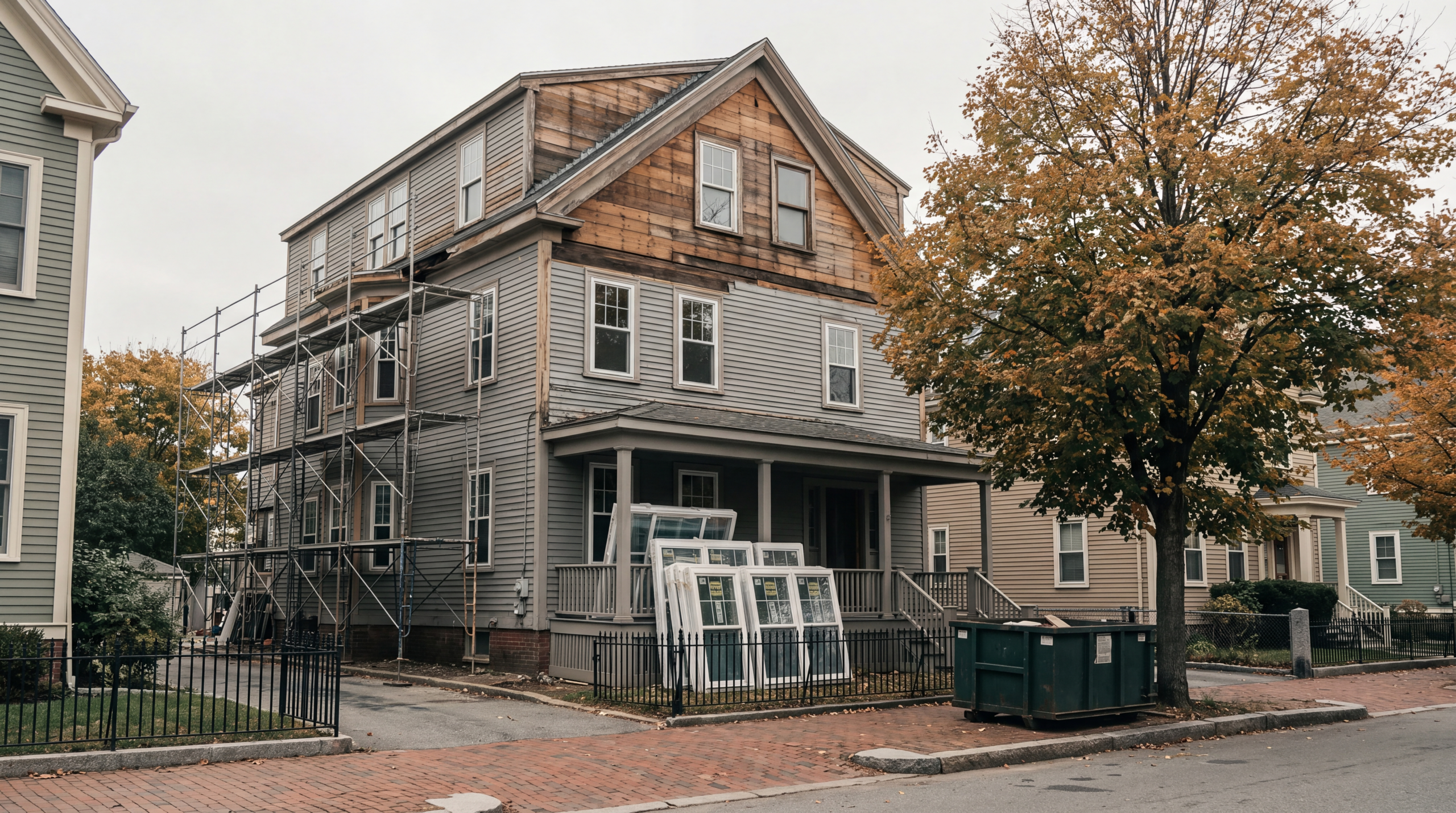
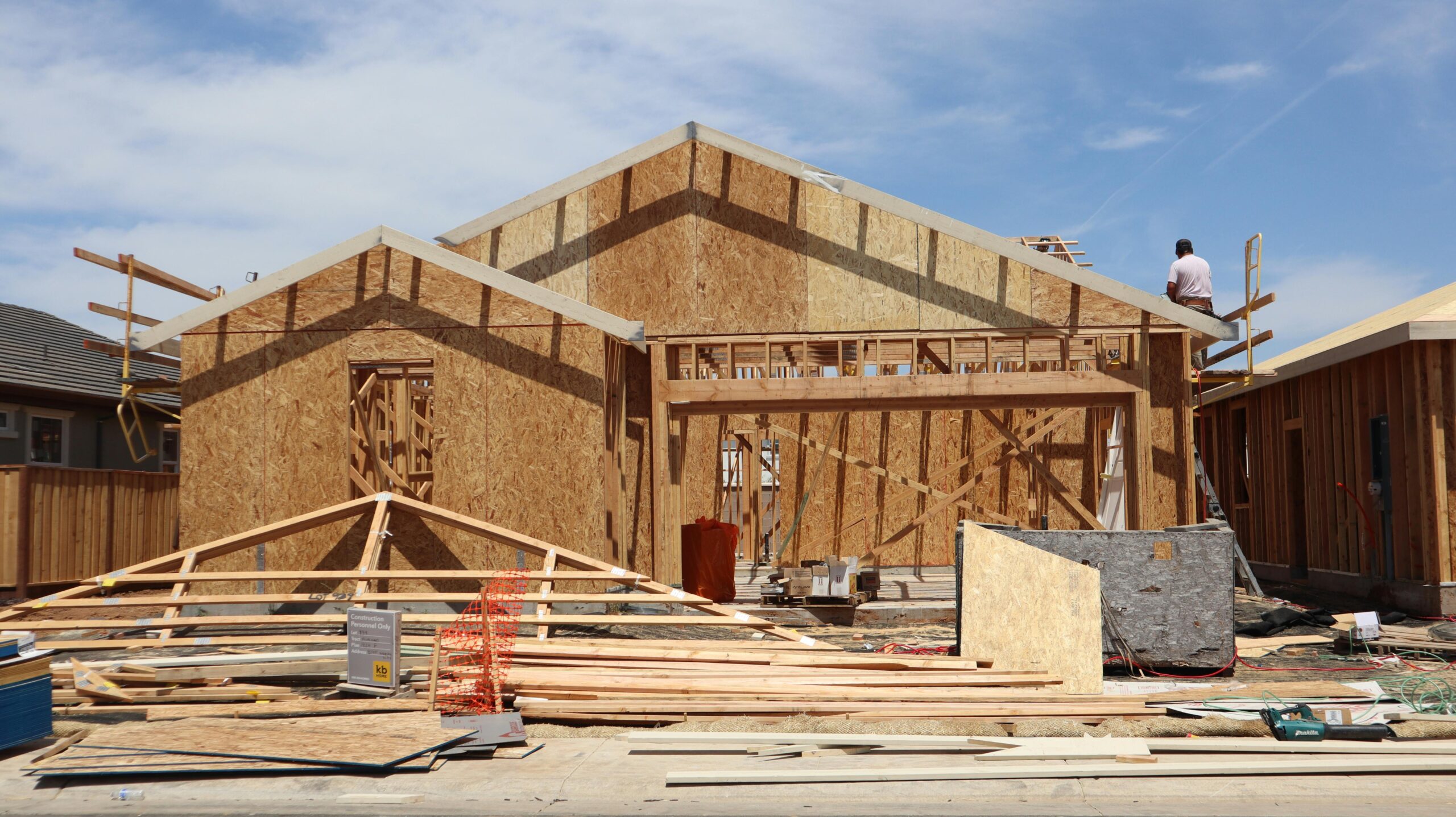
What a bank generally won’t do is lend on a property’s potential. A gut renovation, a vacant building, new construction with no occupancy certificate yet, most of that sits outside agency guidelines before you even get to the application. That’s not a bank being worse at this. The product was never built to underwrite it.
What a Private Lender Is Actually Underwriting
Private lending flips the qualification: the file is built around the asset and the plan, not your personal income. A DSCR loan underwrites the property’s rent against its own payment. A bridge or fix and flip loan underwrites the renovation plan and what the property will be worth finished, then releases money as the work gets done. An LLC on title is the norm here, not an exception.
The tradeoff is real and worth saying plainly. Real estate investors report being willing to pay close to double the interest rate to work with a private lender instead of a bank.[1] That’s not investors making a bad call, it’s the price of financing something a bank’s underwriting can’t reach at all: speed, an unconventional asset, or a deal that needs to close before the renovation plan is even finished.
When the Two Actually Meet: Refinancing Out
The place a bank and a private lender genuinely interact isn’t at the start of a deal, it’s at the end of one. A bridge or rehab loan is short-term by design, which means every private loan needs an exit: sell the property, or refinance into something built to hold for the long run.
That refinance doesn’t have to be a conventional bank mortgage, and for an investor holding the property as a rental through an LLC, it usually isn’t. A DSCR refinance qualifies the same way a bank would look at your income, just applied to what the property brings in instead of what you earn. Picking that exit before you close on the purchase decides which lender you’re refinancing into, and changing your mind partway through a renovation is what turns a good deal into an expensive one.
Four Questions That Actually Decide Which One You Need
Skip the pros-and-cons debate and ask these instead:
- Does the property already work the way you’ll own it long-term? A bank can underwrite that. A gut renovation or a vacant spec build, it can’t.
- Is the borrower a person or an LLC? Entities are routine for a private lender and, outside a handful of programs, a non-starter for a conventional mortgage.
- Does the timeline allow 30 to 45 days, or does the deal need to close in two weeks? Speed is what private capital is priced for.
- Is your personal income clean enough to qualify on its own, or is the deal supposed to carry itself? That answer alone usually settles it.
Answer those four and you’ll usually know which door to walk through before you’ve compared a single rate.
Getting the Right Loan for the Deal You Actually Have
We underwrite the deal types a bank generally can’t: DSCR, bridge, fix and flip, ground-up construction, and multifamily, all against the asset and the plan, not your tax returns. If you’re not sure which side of this your next deal falls on, bring it to a Relationship Manager at cvlending.com and find out before you’re mid-negotiation.
Frequently Asked Questions
Is a private loan more expensive than a bank loan?
Usually, yes, on rate. What it buys back is eligibility and speed, financing a deal a bank’s underwriting doesn’t reach at all, or closing in weeks instead of months.
Can I refinance a private loan into a bank mortgage later?
Sometimes, if the property ends up owner-occupied or conventionally financeable and your personal income supports it. If you’re holding it as a rental through an LLC, a DSCR refinance is usually the more direct path, since it qualifies on the same asset-based logic your original loan did.
Do private lenders check personal income at all?
On a DSCR loan, no, the property has to cover its own payment, full stop. On other private products a personal guarantee is still common, so credit and reserves still matter even though income documentation doesn’t.
Sources