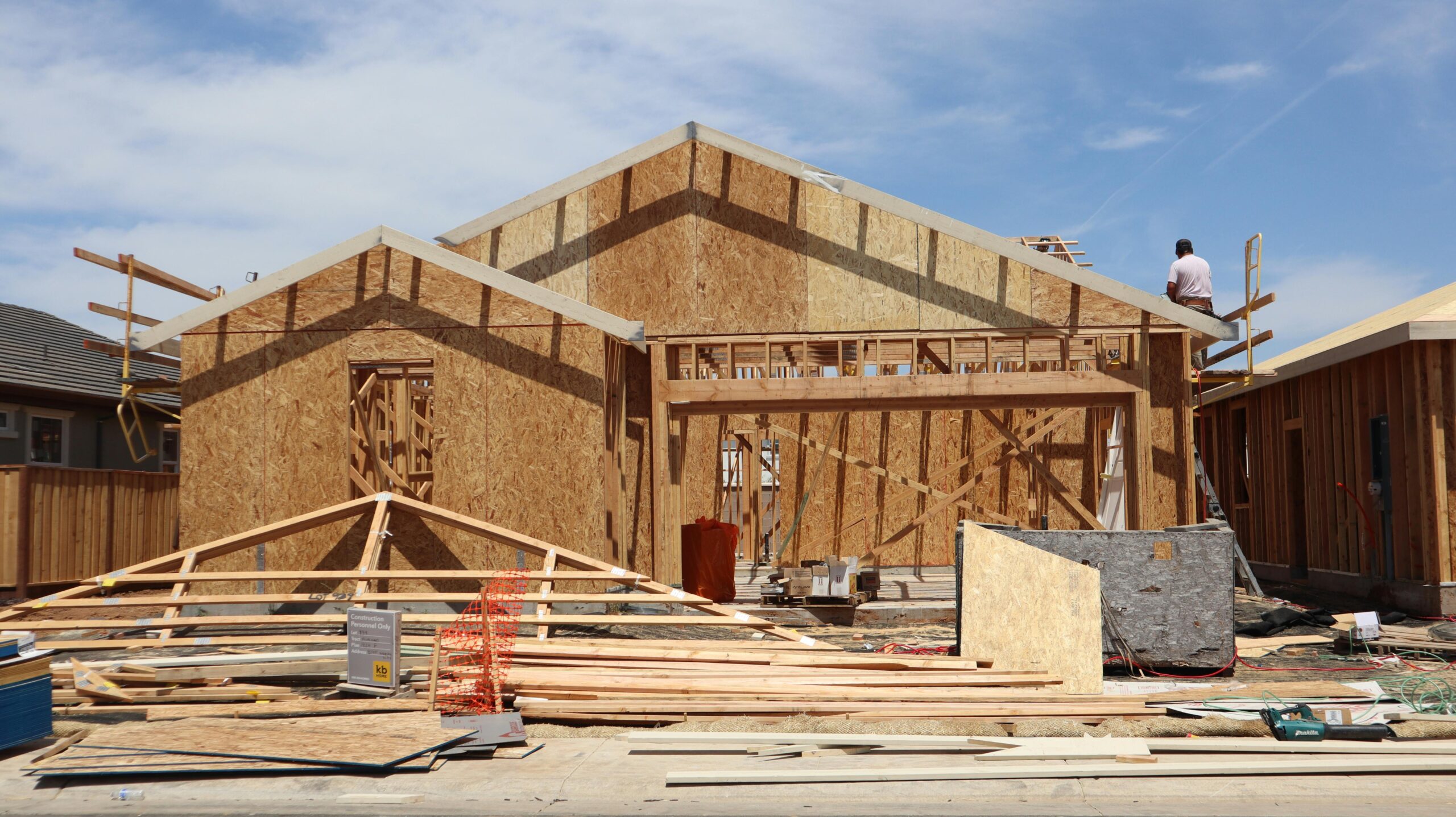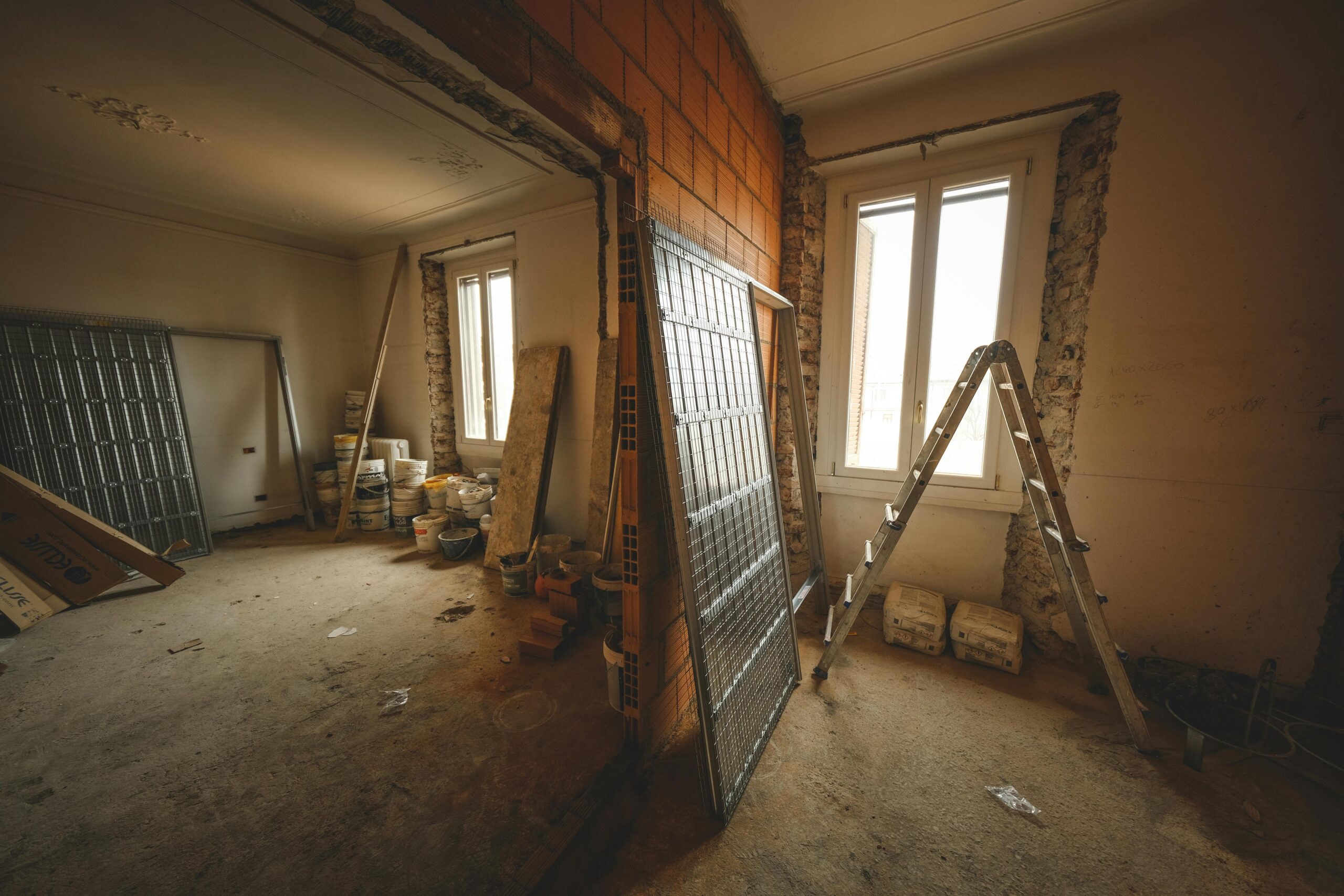
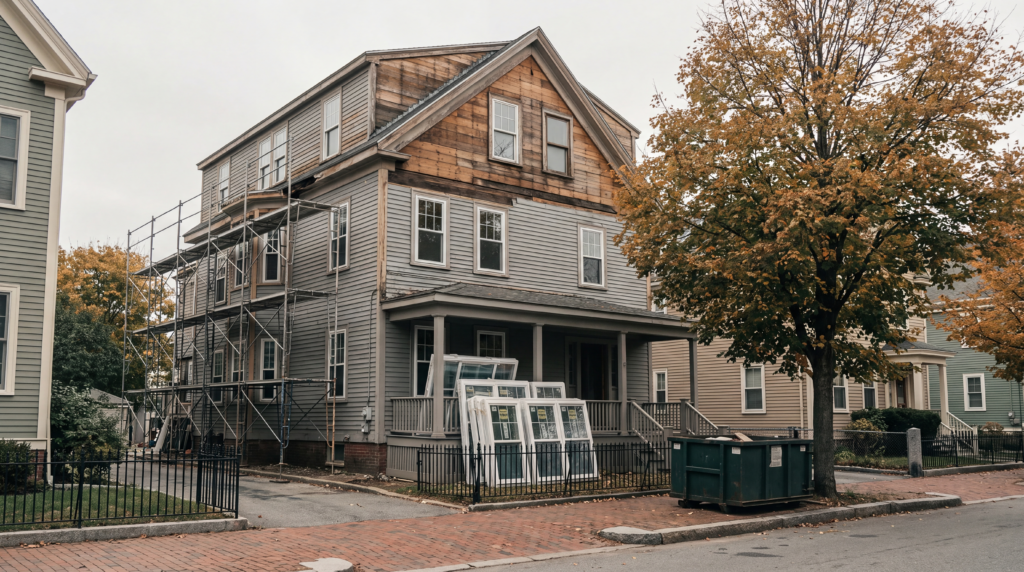
Massachusetts doesn’t really build houses anymore. It rebuilds them.
Keep that in mind when you go looking at fix and flip loans in Massachusetts, because it changes what you should be asking a lender for. This state has some of the oldest housing in the country[1], and just about every livable unit that reaches the market is one somebody gutted and put back together. Renovation isn’t a clever value-add angle here. It’s how supply gets made.
The Buying Window Reopened This Year
For about three years, the honest answer to “what are you buying” was “nothing, there’s nothing for sale.” That’s finally changed. The statewide median single-family price was $715,000 in June, down from $725,000 a year earlier, with new listings up 10.7% and closed sales up 7%[2].
More sellers, more closings, and prices that stopped running. Supply is still under two months statewide, so nobody should be calling this a buyer’s market. But it’s the first stretch since 2021 where you can buy something without winning a bidding war at a number that kills the deal before you’ve swung a hammer.
Here’s the part that gets less attention: nobody is building your competition. Greater Boston pulled 15,019 housing permits in 2021. By 2024 it was under 9,000, and through the middle of 2025 the region was running 44% behind that 2021 pace[3]. Renovated inventory is going to carry this market for years, because there isn’t anything else coming.
What Fix and Flip Loans in Massachusetts Have to Cover
A loan that works here has to do a few things a generic rehab product often doesn’t.
It should fund the purchase and the construction together. When your acquisition money and your renovation money come from two different places, you get a gap between closing and your first draw, and in a market with two months of supply that gap is where deals die. One facility covering both means there’s no handoff to fumble.
It should release draws at the pace of the work, not the pace of a committee. New England hands you a short exterior season and you don’t get to negotiate with it. Roofs, siding, foundations, site work, all of it runs on a calendar that closes in December and doesn’t really reopen until spring. A draw that drags three weeks in October doesn’t just cost you the interest. It can cost you the season, and you’ll carry the property until April learning that lesson.
And it should be underwritten against what the place will be worth finished, not what it’s worth as a shell. That’s the whole premise of this kind of lending, and it’s why a bank is usually the wrong partner for the renovation phase even when it’s the right one later.
The Lead Law Is the Line Item Out-of-State Buyers Miss
If you’re coming into Massachusetts from another state, this is the one that gets you.
Massachusetts requires lead hazards to be removed or covered in any home built before 1978 where a child under six lives. A licensed inspector has to find it, a licensed deleader has to fix it, and the obligation kicks in because a child lives there, not because anybody failed a test[4]. If a child under six is poisoned in a non-compliant pre-1978 property, the owner is strictly liable. Liable even if you didn’t know there was lead, and even if you didn’t know a child was living in the unit.
Now put that next to how old the housing stock is, and assume almost every flip you underwrite here sits inside that rule. Deleading isn’t a contingency you hope to avoid. It’s a real scope item with a licensed trade and a schedule attached, and if it isn’t in your budget, your budget hasn’t been checked. Same story with knob-and-tube wiring, original plumbing stacks, and Title 5 septic work if you’re down on the South Shore or the Cape. In houses this old none of it is a surprise. It’s just the cost of doing business here.
Hard Money Loans in Massachusetts, and What the Label Hides
Search for hard money loans in Massachusetts and you’ll get a long list of lenders whose term sheets read almost identically and whose balance sheets look nothing alike. The label only describes how a loan gets underwritten, against the asset instead of your tax returns. It tells you nothing about where the money is actually coming from.
That second part is what you want to dig into, because it decides what happens when something goes sideways. A lender funding out of a discretionary pool can re-trade your term sheet, slow your draws, or stop lending altogether when its own capital dries up. A lender funding off institutional capital has a cost of funds that doesn’t move week to week. We’ve funded more than $10 billion across 44 states, and honestly the number matters less than what sits behind it, which is a record of how we’ve behaved through a few different markets, including the ugly ones.
Ask every Massachusetts lender you talk to the same three questions. Where does your capital come from? How many days from draw request to money in the account? And how many deals have you closed in this state, not nationally? The answers sort the field pretty fast.
Where Fix and Flip Loans in Massachusetts Are Working Right Now
Boston proper is the hardest place in the state to make this math work, and it has been for a decade. Your basis eats the spread before you’ve pulled a permit.
Worcester is where the volume went. Median rent there was $1,530 in September, down 5.8% from a year earlier[5], and that’s a real softening that deserves a straight look instead of a spin. It’s also about half what the same unit rents for in Boston, which is the entire reason capital keeps moving west on the Pike. A flip in Worcester clears on a basis a Boston flip never will.
Springfield, Lowell, Lawrence, Fall River, and New Bedford all run a version of that same trade. Lower entry price, older stock, and in most cases rail into a bigger labor market. Fall River and New Bedford got commuter rail service to Boston in 2025 and are still priced like they didn’t. None of these are appreciation stories. They’re margin plays on a basis low enough to absorb whatever you find behind the plaster, which is the only sane way to underwrite in a state where there’s always something behind the plaster.
The New Unit on a Lot You Already Own
Two zoning changes opened up a play that didn’t exist three years ago, and most investors still haven’t priced it in.
Since February 2025 you can build an accessory dwelling unit of up to 900 square feet by right on a single-family lot anywhere in the state, no special permit needed[6]. Separately, the MBTA Communities law made 177 cities and towns allow multifamily near transit as of right, and by January 2026 more than 130 had passed compliant zoning[7].
“By right” is worth reading twice. It means the vote already happened. You’re not sitting in a hearing asking a room of neighbors for permission and hoping it goes your way. In eastern Massachusetts that question used to be the entire risk of adding a unit, and it was baked into the price of every piece of land. If you already own single-family rentals here, an ADU is a second income stream on dirt you’ve paid for once, and it finances a lot more like a renovation than like an acquisition. It’s the cheapest unit most Massachusetts investors will ever add.
Financing the Exit: DSCR Loans in Massachusetts
Not every renovation should be sold. With supply under two months and nothing real in the construction pipeline, the case for keeping a finished unit is stronger here than in most of the country.
The structure that fits is a short-term loan that covers the purchase and the work, then a 30-year DSCR loan that qualifies on the property’s rent instead of your tax returns once the unit is done and leased. Across most of this industry those are two different lenders, which means a second full underwrite of you and the property at exactly the moment the project finally starts earning. Keeping both with one lender takes that handoff out and lets you price the hold against the sale before the work is done, instead of months after.
Pick your exit before you close on the purchase, not after the final inspection. The two paths want different scopes, different finish levels, and different timelines, and changing your mind late is what turns a good Massachusetts deal into a mediocre one.
Getting a Deal Funded Here
Massachusetts rewards people who budget for what this housing stock actually is and who can move inside a two-month supply window. Both of those are financing problems more than they’re sourcing problems.
We lend on fix and flip, bridge, ground-up construction, DSCR, and multifamily deals across Massachusetts, and our Relationship Managers have underwritten in these municipalities before. See how we lend in Massachusetts, or bring a specific property to a Relationship Manager at cvlending.com.
Sources- National Association of Home Builders, Eye On Housing, Age of Housing Stock by State. Published March 2026.
- Boston Agent Magazine, reporting Massachusetts Association of Realtors June data. Published July 2026.
- Construction Owners, citing Boston Indicators and the Greater Boston Housing Report Card. Published 2025.
- Commonwealth of Massachusetts, Learn About the Massachusetts Lead Law. Updated 2026.
- Apartment List, Worcester Rent Report. September 2026.
- Commonwealth of Massachusetts, Accessory Dwelling Units Officially Allowed Statewide. Published February 2025.
- Commonwealth of Massachusetts, Multi-Family Zoning Requirement for MBTA Communities. Updated 2026.