How investors finance deals in 2026 depends less on chasing market timing and more on understanding which capital supports what they’re actually building. Three lending programs keep showing up in the strategies that work: fix and flip loans for short term value creation, DSCR loans for cash flow stable projects, and ground up construction loans for building from scratch.
Each serves a different purpose. Each solves a different problem. Together, they create a financing approach that adapts to investments at every stage.
Fix & Flip Loans: Buying, Improving, Selling
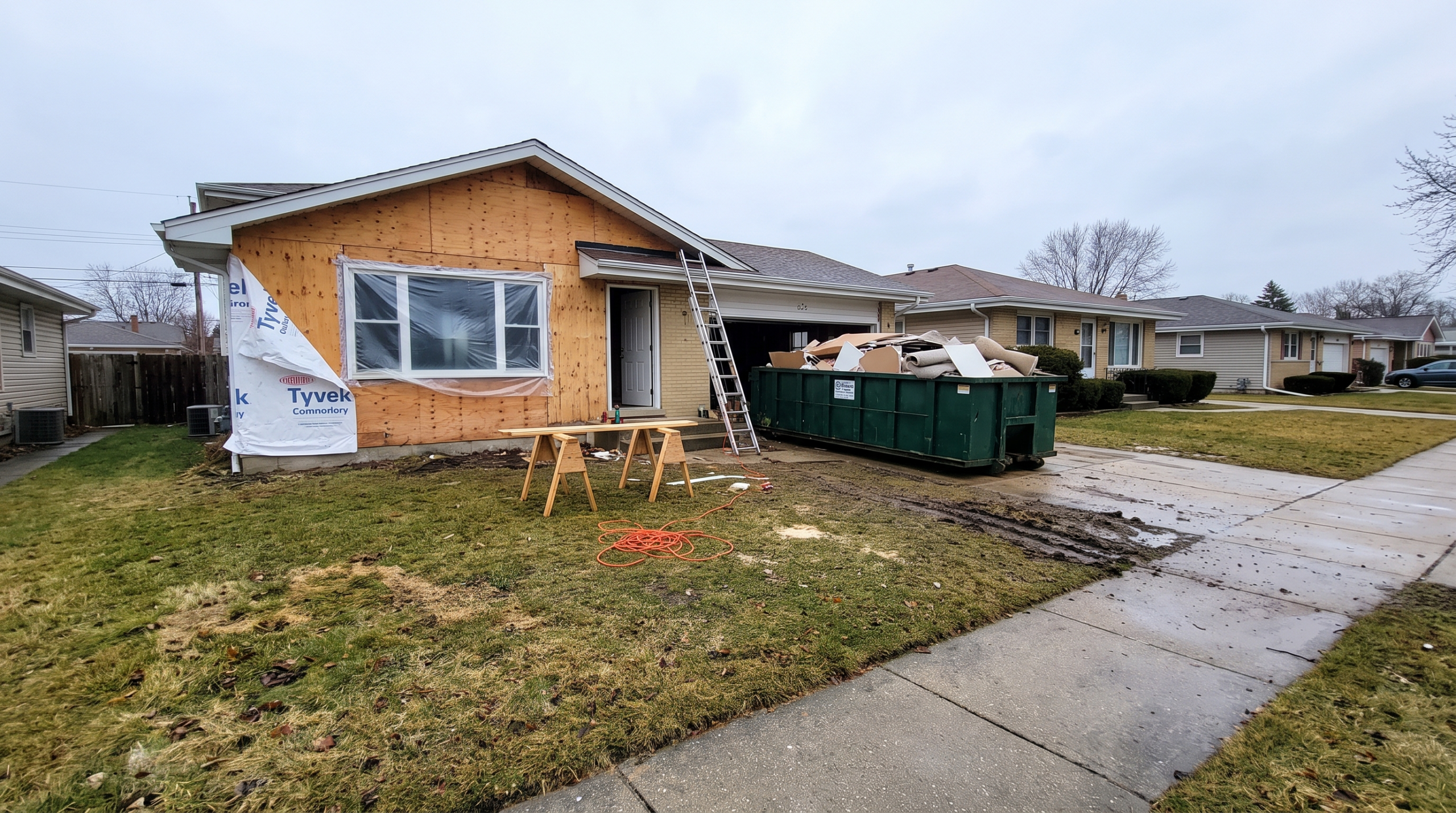
Fix and flip loans are short-term financing designed for investors who buy properties, improve them, and sell for profit. These loans typically run six to 24 months and fund both the purchase and the renovation in one package (Forbes).
Lenders underwrite based on the property’s after-repair value, or ARV, which means they’re evaluating what the property will be worth after improvements rather than its current condition. This lets investors act on properties that traditional lenders would decline because the numbers don’t work yet.
Interest rates run higher than conventional mortgages because the timeline is short and the project carries execution risk, but the structure is built for speed. Investors use fix and flip loans when the opportunity is in creating value through renovation, not holding for long-term income. According to a 2025 ResiClub survey, 89% of home flippers planned to complete at least one flip in 2026, showing that this strategy remains active despite tighter market conditions (Scotsman Guide).
DSCR Loans: Letting the Property Qualify Itself
DSCR loans shift the focus from short-term value creation to long-term cash flow. DSCR stands for debt service coverage ratio, a calculation that measures whether a property’s income can cover its debt payments.. A DSCR above 1.0 means the property generates enough income to meet its obligations, and higher ratios provide more cushion.
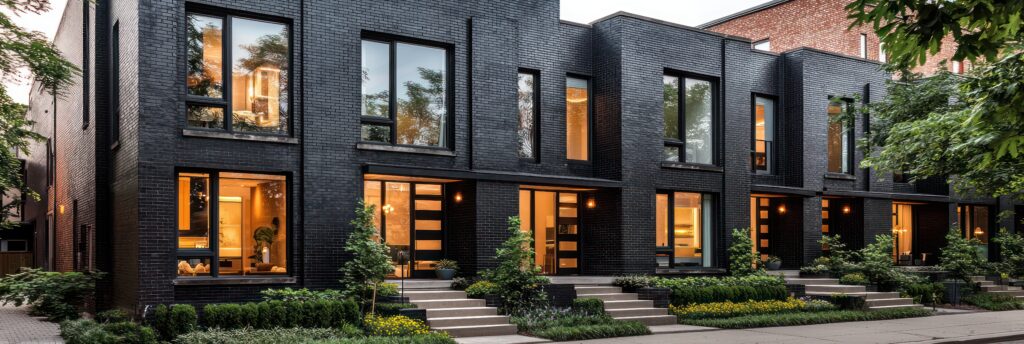
The key difference with DSCR loans is that qualification is based on the property’s income. Many lenders don’t require traditional income documentation at all. Terms typically run 15 to 30 years, aligning with buy-and-hold rental strategies (Commercial Real Estate Loans).
DSCR financing works because it focuses on what the property earns,. This structure has become the standard for investors building rental portfolios where predictable cash flow drives the investment thesis rather than appreciation or exit timing.
Ground Up Construction: Building From the Start
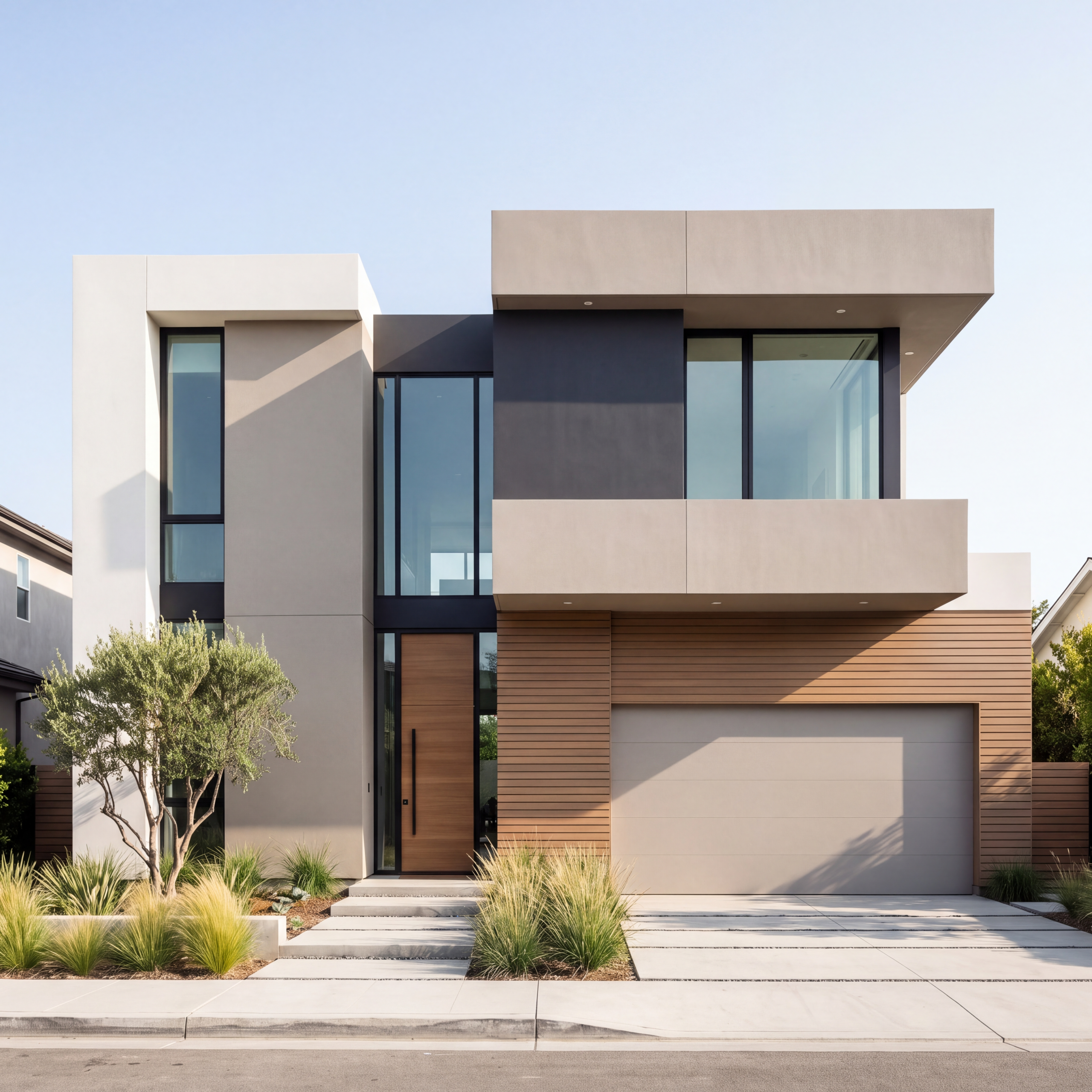
Ground up construction loans finance the entire build process, from land acquisition to the completed structure. These loans are designed for experienced builders and investors who are expanding their portfolios from flipping into end-to-end construction.
Unlike fix and flip or DSCR loans, ground up construction financing covers both the cost of the land and the construction expenses. Funding is released in stages through a draw schedule as construction milestones are met, which protects both the lender and the borrower by tying capital deployment to actual progress
Ground up construction loans work for spec builds intended for sale and build-to-rent projects where the plan is to hold and lease once construction completes. When the project is done, investors have options: sell at completion or refinance into a DSCR loan to hold as a rental. Conventus supports both exit strategies, providing flexibility that aligns with how the market actually performs rather than locking investors into one path from the start.
According to Federal Deposit Insurance Corp. data, construction loan volume showed modest growth in early 2025, with one- to four-family residential construction loans rising 0.6% quarter over quarter, marking the first gain in two years (Scotsman Guide).
How These Three Work Together
Each loan type addresses a specific stage of real estate investing. Fix and flip loans create value through renovation. DSCR loans lock in long-term financing based on rental income. Ground up construction loans enable building new properties from scratch.
Many investors move between these strategies depending on what the market presents and what their portfolio needs. An investor might use fix and flip financing to acquire and improve a distressed property, then refinance into a DSCR loan to hold it as a rental. Or they might use ground up construction financing to build new units in markets where existing inventory is tight, then convert to DSCR financing once the property is stabilized and generating income. Unlike some other private lenders, Conventus can offer support across all phases and options.
The common thread is matching the financing to the investment strategy. Speed and value creation call for fix and flip loans. Long-term rental income calls for DSCR loans. Building new supply calls for ground up construction loans. Investors who understand these distinctions can deploy capital more intentionally and execute across different market conditions.
Why This Approach Works in 2026
Real estate investing in 2026 isn’t about picking one strategy and hoping it works. It’s about having the right financing for what you’re actually trying to accomplish. Fix and flip loans fund the improvements that create equity. DSCR loans align debt with rental income over the long term. Ground up construction loans enable building new properties when the opportunity is in creating supply.
Investors who think through which financing matches which stage of the investment can execute with more discipline, move on opportunities when they appear, and build portfolios that generate returns they can rely on.